


How to Prevent Rodents From Getting Into Your Toilet:
What Every Homeowner Needs to Know
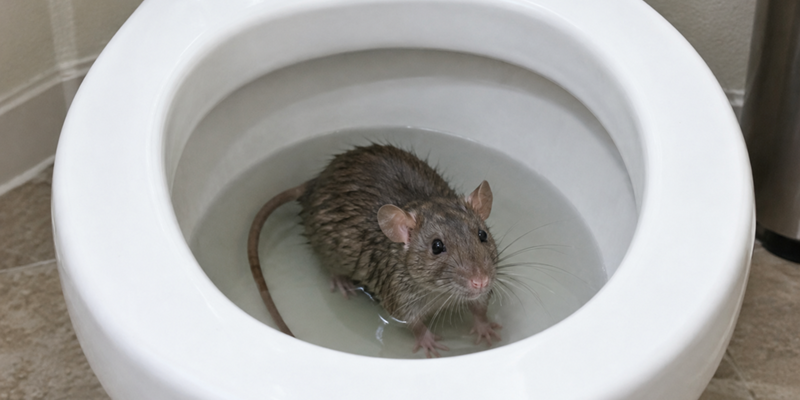
Imagine lifting your toilet lid only to discover a rat swimming in the bowl. While it sounds like something out of a nightmare, rats entering toilets are a real, although uncommon, plumbing-related problem. For homeowners in San Mateo, San Francisco, and Alameda counties, aging sewer infrastructure, deteriorating plumbing connections, and established urban rodent populations can make rodent prevention especially important.
Rats are surprisingly strong swimmers and can hold their breath underwater for several minutes. They can navigate portions of underground sewer systems and, under certain circumstances, travel through sewer pipes and emerge through a home’s toilet. Fortunately, there are practical steps homeowners can take to reduce this risk and protect their properties.
At MyRodentGuy, we approach rodent control by addressing the underlying conditions that allow rodents to enter buildings. From professional rodent trapping and rodent proofing to humane rodent control and urban rodentology, our goal is to help homeowners prevent rodent problems before they become serious infestations.
Rats Can Enter Sewer Systems
Can Rats Really Come Up Through Your Toilet?
Yes! Although relatively uncommon, rats can enter sewer systems through damaged sewer lines, storm drains, and other openings. Their swimming abilities allow them to navigate sections of underground plumbing infrastructure, potentially reaching a residential sewer lateral and, in unusual circumstances, a toilet.
This is particularly worth considering in older neighborhoods throughout San Francisco, San Mateo, and Alameda counties, where aging sewer infrastructure, older plumbing connections, and surrounding urban rodent populations may create additional vulnerabilities.
It’s also important to distinguish between plumbing vent pipes and toilet drains. Rats can climb onto roofs and enter damaged or improperly screened plumbing vent openings. However, roof vents generally do not provide a direct route into the toilet bowl. A rat emerging through a toilet is more likely to involve the sewer drainage system itself.
Understanding how rodents move through the urban environment is an important part of effective prevention. This is where professional urban rodentology can help identify the conditions contributing to rodent activity around your property.
Plumbing & Property Condition
7 Ways to Prevent Rats From Getting Into Your Toilet
Preventing rats from entering your toilet requires more than keeping the bathroom clean. Homeowners should consider the condition of their plumbing, the exterior of their property, and nearby rodent activity.
1. Inspect Your Sewer Lines
One of the most important preventive steps is ensuring your sewer lines are in good condition. Cracked, broken, or separated pipes can create openings that allow rodents to access underground plumbing infrastructure.
This can be a particular concern in older San Francisco homes and established neighborhoods throughout Alameda and San Mateo counties, where aging infrastructure may require additional attention.
If you’ve experienced recurring sewer backups, unusual plumbing problems, or unexplained rodent activity, consider scheduling a professional sewer inspection. A qualified plumbing professional can use a sewer camera to identify damaged sections, deteriorating connections, and other vulnerabilities that may need repair.
2. Consider Properly Designed Rat Protection Devices
Specialized sewer backwater devices and rodent-resistant plumbing products may help prevent unwanted animal entry, depending on your plumbing configuration.
A properly selected backwater valve can help prevent sewage from flowing backward into your home. However, not every backwater valve is designed or certified to prevent rodents from entering.
Speak with a licensed plumber about products specifically designed and approved for your plumbing system. Proper selection, installation, and maintenance are essential to ensure the device functions as intended.
3. Protect Your Plumbing Vent Pipes
Most homes have plumbing vent pipes extending through the roof. These vents help regulate air pressure in the drainage system and allow sewer gases to escape.
Inspect roof vent openings for damage, missing covers, or other potential access points. Where appropriate, a qualified plumber can install a properly sized, corrosion-resistant protective screen that prevents animal entry without restricting airflow.
Never completely cap a plumbing vent. Doing so can interfere with drainage and create dangerous plumbing conditions.
Although roof vents are not generally a direct pathway into toilet bowls, protecting them is still an important part of comprehensive rodent proofing. Learn more about our professional rodent-proofing solutions.
4. Repair Damaged Sewer Connections and Seal Entry Points
Older homes throughout San Francisco, San Mateo, and Alameda counties may have deteriorating sewer connections, loose pipe joints, and damaged plumbing infrastructure.
Rats can exploit openings in sewer systems and other accessible structural gaps to gain entry into underground spaces and buildings.
Have damaged sewer connections repaired by a qualified plumbing professional, and make sure accessible utility penetrations are properly sealed.
Remember that rodent proofing involves looking beyond obvious holes. Rats can squeeze through surprisingly small openings, making a thorough inspection of foundations, exterior walls, garages, and utility connections important.
Our rodent proofing services focus on identifying and sealing vulnerable access points using appropriate exclusion materials and techniques.
5. Eliminate Conditions That Attract Rodents
Preventing rodents from entering your plumbing system is only part of the solution. You should also reduce the food, water, and shelter available around your property.
Start by removing fallen fruit, securing garbage containers, eliminating standing water, trimming vegetation away from buildings, and clearing clutter near foundations. Seal gaps around utility lines and repair openings around garage doors and exterior walls.
These steps are especially important in densely populated neighborhoods throughout San Francisco and the surrounding Bay Area, where shared walls, alleys, landscaping, older buildings, and nearby food sources can contribute to ongoing rodent activity.
Reducing the conditions that attract rodents helps make your property less appealing and supports a more effective long-term prevention strategy.
For homeowners experiencing outdoor rodent activity, our humane outdoor rodent control services offer additional approaches to managing rodent populations while considering the surrounding wildlife and environment.
6. Keep Your Toilet Lid Closed
Keeping your toilet lid closed is a simple precaution that provides an additional physical barrier between your bathroom and anything that might emerge from the plumbing.
For households with children or pets, a childproof toilet-lid lock can provide an extra layer of protection.
However, remember that a closed lid is not a permanent solution to a sewer-related rodent problem. If a rat has access to your plumbing system, the underlying vulnerability still needs to be identified and addressed.
7. Schedule a Professional Rodent Inspection
If you’ve spotted rats around your property, heard scratching noises in walls or crawl spaces, or discovered rodent droppings, don’t ignore the warning signs.
A professional rodent inspection can help identify potential entry points, nesting areas, food sources, and conditions contributing to rodent activity.
At MyRodentGuy, we take a comprehensive approach that goes beyond simply catching individual rats. Our services include professional rodent trapping, rodent proofing, humane rodent control, and urban rodentology to help identify how and why rodents are accessing your property.
By addressing the source of the problem, homeowners can reduce recurring rodent activity and better protect their homes.
It’s In My Toilet, Yikes!
What Should You Do If You Find a Rat in Your Toilet?
Discovering a rat in your toilet can be frightening, but it’s important to remain calm and avoid direct contact with the animal.
Do not attempt to grab it, reach into the bowl, or handle it yourself. Instead, close the bathroom door, keep children and pets away, and close the toilet lid if you can do so safely.
Contact a qualified pest-control professional and plumber to determine how the animal gained access. Avoid assuming that flushing will solve the problem. It may not remove the animal and could create additional plumbing complications.
If this happens more than once, a professional sewer camera inspection is particularly important. Repeated incidents may indicate an underlying vulnerability that needs to be corrected.
The goal should be to identify and eliminate the access point rather than simply deal with each individual rat.
Sustainable Approach
Why Traditional Rat Poison Isn’t the Best Long-Term Solution
When homeowners discover rats, poison may seem like the fastest solution. However, rodenticides do not repair damaged sewer lines, seal entry points, or prevent additional rodents from entering your home.
They can also create secondary poisoning risks for pets and wildlife, particularly when poisoned rodents are consumed by other animals.
A more sustainable approach focuses on exclusion, sanitation, monitoring, and targeted rodent control.
At MyRodentGuy, we believe the most effective rodent-control strategy starts with preventing rodents from entering your home in the first place. Humane rodent control, strategic trapping, and professional rodent proofing can work together to address existing activity while reducing opportunities for future infestations.
Explore our humane rodent control approach to learn more about alternatives to conventional poison-based approaches.
Local Rodent Population
Rodent Prevention Challenges in San Mateo, San Francisco, and Alameda Counties
Although rats are a concern throughout the Bay Area, each county presents unique challenges that homeowners should understand.
San Francisco County: Older residential buildings, densely populated neighborhoods, shared walls, underground infrastructure, and interconnected alleyways can make rodent management particularly challenging. Rats may move between properties through structural openings and surrounding infrastructure, making comprehensive rodent proofing especially important.
San Mateo County: The combination of established residential neighborhoods, mature landscaping, fruit trees, crawl spaces, and older sewer connections can create opportunities for rodents to find food, shelter, and access to buildings. Homeowners should pay particular attention to foundation openings, sewer connections, and exterior rodent activity.
Alameda County: A diverse mix of older homes, multi-unit buildings, commercial properties, landscaping, and urban infrastructure creates different rodent-control challenges throughout the county. Rodents can exploit building gaps, utility penetrations, and accessible food sources, making sanitation and exclusion essential parts of prevention.
Regardless of where you live, effective rodent management requires understanding the relationship between the building, its surrounding environment, and the local rodent population.
This is the foundation of urban rodentology: studying rodent behavior, movement, habitat, and access patterns to develop more effective prevention strategies.
Protect Your Home
Protect Your Home Before a Rat Finds Its Way Inside
A rat entering your toilet is certainly an unpleasant experience, but homeowners don’t have to wait until it happens to take action.
Inspect your sewer lines, protect plumbing vents where appropriate, repair damaged connections, eliminate rodent entry points, and reduce the conditions that attract rats to your property.
Most importantly, remember that effective rodent prevention requires looking at the entire property, not just the location where you’ve spotted a rat.
At MyRodentGuy, we specialize in rodent trapping, rodent proofing, humane rodent control, and urban rodentology. Our approach focuses on understanding rodent behavior, identifying vulnerabilities, and developing practical solutions that address the source of the problem.
Whether you’re dealing with an existing rodent issue or simply want to make your home less vulnerable, taking preventive action today can help protect your property tomorrow.
Don’t wait for a rat to show up in your toilet. Contact MyRodentGuy for a professional inspection and rodent-control consultation. Let us help protect your home with comprehensive rodent proofing, humane rodent control, and expert rodent management throughout San Mateo, San Francisco, and Alameda counties.