


Sanitation Best Practices: How to Eliminate Outdoor Rodent Attractants in Northern Nevada
Outdoor rodent problems often begin with something surprisingly simple: an unsealed garbage can, spilled bird seed, fallen fruit, or an overgrown area beside your home. These seemingly minor conditions can provide rats and mice with reliable sources of food, water, and shelter.
For homeowners and property owners throughout Northern Nevada, effective rodent prevention starts with understanding what attracts these animals and making the surrounding environment less inviting.
Whether you live in Reno, Sparks, Fernley, Fallon, Winnemucca, or a rural community in Pershing County, proper outdoor sanitation is one of the most important steps toward reducing rodent activity. University of Nevada, Reno Extension recognizes sanitation and exclusion as important non-chemical components of integrated pest management.
The goal isn’t necessarily to eliminate every rodent from the surrounding environment. It’s to prevent your property from becoming an attractive feeding, nesting, or entry point.
Unsecured Garbage
Secure Garbage Cans and Eliminate Outdoor Food Sources
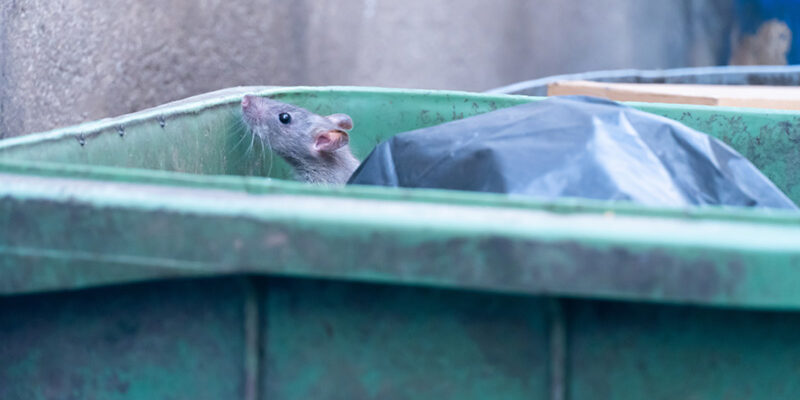
Unsecured garbage is one of the easiest ways to attract rodents. Food scraps, discarded pet food, grease, and household waste can provide an ongoing food supply, particularly when garbage containers have loose lids, cracks, or openings near the bottom.
Use durable garbage cans with tightly fitting lids, replace damaged containers, and avoid leaving garbage bags beside outdoor bins. Clean up spilled food and waste around collection areas, and keep containers positioned away from unnecessary vegetation and clutter.
Pay particular attention to dumpsters and shared garbage areas at rental properties, apartment complexes, and commercial buildings. These locations can provide consistent food sources even when individual properties are well maintained.
In rural Northern Nevada, also consider animal feed, grain storage, outdoor kitchens, and equipment areas. Securing household garbage is important, but eliminating other accessible food sources is equally valuable.
Clean Feeding Stations
Keep Bird Feeders From Attracting Rats and Mice
Bird feeders are enjoyable additions to a backyard, but spilled seed can unintentionally create a reliable food source for rodents. Rats and mice may forage beneath feeders, particularly when nearby shrubs, sheds, or woodpiles provide convenient hiding places.
You don’t necessarily need to stop feeding birds. Instead, install seed-catching trays, clean beneath feeders regularly, and store bird seed in sturdy, tightly sealed containers. Avoid scattering seed directly on the ground, and position feeders where the surrounding area is easy to inspect and maintain.
If you continue finding droppings or signs of rodent activity beneath a feeder, consider reducing feeding frequency or temporarily suspending feeding while you investigate the source.
A clean feeding station can help support backyard birds without creating unnecessary opportunities for unwanted wildlife.
Collect Fallen Fruit Regularly
Manage Fallen Fruit, Compost, and Outdoor Animal Feed
Garbage and bird seed aren’t the only outdoor attractants. Fallen apples, peaches, garden vegetables, exposed compost, chicken feed, and spilled livestock grain can also attract rodents.
Collect fallen fruit regularly, harvest garden produce promptly, and avoid allowing overripe vegetables or food scraps to accumulate. Use an appropriately maintained compost system that limits rodents’ access to food waste.
For properties with chickens, rabbits, livestock, or outdoor pets, store feed in sturdy containers and clean up spills after feeding. Avoid leaving excess food outdoors overnight when practical.
These steps are especially important for rural properties, where agricultural activities and surrounding wildlife habitat can create additional rodent pressure.
Sanitation Alone Cannot Prevent Rodents
Reduce Outdoor Clutter and Rodent Hiding Places
Sanitation involves more than removing food. Rodents also seek protected areas where they can hide, nest, and travel without being disturbed.
Dense weeds, accumulated leaves, stacked lumber, cardboard, unused equipment, and poorly organized storage can create favorable conditions around homes and outbuildings.
Keep vegetation trimmed away from structures, organize outdoor storage, elevate firewood where practical, and remove unnecessary debris near foundations, garages, and sheds.
While inspecting your property, look for gaps beneath exterior doors, damaged vent screens, openings around utility lines, and spaces where plumbing enters buildings.
These areas deserve attention because sanitation alone cannot prevent rodents from entering through existing structural openings. Combining outdoor cleanup with professional rodent proofing helps address both the attractants and the access points.
Repair Leaking Hoses
Control Unnecessary Outdoor Water Sources
Northern Nevada’s dry climate makes water management another important consideration.
Leaking irrigation lines, dripping faucets, unnecessary standing water, and spilled water around outdoor pet stations can contribute to conditions that attract wildlife.
Inspect irrigation connections, repair leaking hoses, and adjust watering systems to prevent unnecessary pooling near buildings. Empty unused containers that collect water and keep outdoor water stations clean.
For agricultural and rural properties, irrigation ditches and livestock water sources may be necessary. The objective isn’t to eliminate essential water supplies but to manage avoidable leaks and spills around homes, barns, garages, and storage buildings.
Northern Nevada Communities
Regional Rodent Prevention: Northern Nevada Communities
Although the fundamentals of sanitation remain consistent, different communities throughout Northern Nevada face different property-related challenges.
Pershing County, Nevada
Rural residences, agricultural properties, hay production, equipment storage, and irrigation infrastructure can create opportunities for rodents to find food and shelter. Keep grain and livestock feed secured, clean up spills promptly, and inspect barns, workshops, and storage buildings for gnaw marks, droppings, and nesting materials.
Because nearby fields and natural habitat may support outdoor rodent populations, focus on protecting the immediate areas around your home and outbuildings.
Washoe County: Reno and Sparks
Urban and suburban properties in Reno and Sparks may offer rodents accessible food through backyard bird feeders, fruit-bearing trees, pet food, unsecured garbage, and shared waste areas.
Rats can also use landscaping, fences, trees, and structural features to travel between properties and access vulnerable rooflines or buildings.
Regularly collect fallen fruit, clean beneath feeders, secure garbage containers, and trim vegetation touching your home. Inspect garage doors, rooflines, vents, and utility openings for potential access points.
Understanding how rodents interact with the built environment is an important part of urban rodentology and effective prevention in established neighborhoods.
Lyon County: Fernley
In Fernley and surrounding Lyon County communities, detached garages, workshops, irrigated landscaping, animal feed, and properties bordering open land deserve particular attention.
Inspect irrigation connections, secure garbage and feed storage, and keep weeds and accumulated debris away from foundations and outbuildings. Remember that rodents may be nesting in a detached shed or workshop even when the main residence appears clean.
Churchill County: Fallon
In Fallon and surrounding Churchill County communities, irrigated gardens, animal enclosures, equipment sheds, and agricultural storage areas can create additional sanitation challenges.
Repair avoidable irrigation leaks, collect fallen produce, secure animal feed, and regularly inspect sheds and garages. Necessary irrigation and livestock watering aren’t inherently problems; the focus should be on preventing unnecessary food spills, damp areas, and sheltered conditions near vulnerable structures.
Humboldt County: Winnemucca
For homeowners and agricultural property owners in Winnemucca and surrounding Humboldt County, protecting stored grain, livestock feed, equipment, and outbuildings is especially important.
Store feed in rodent-resistant containers where practical, clean up spilled grain, and keep unnecessary materials away from storage building entrances. Secure garbage lids and outdoor containers against wind, which can scatter waste and expose otherwise contained food sources.
Organized storage areas and properly maintained building openings can make a meaningful difference in reducing rodent activity around rural properties.
Regular Inspections
Recognizing Early Signs of Outdoor Rodent Activity
Regular inspections can help you identify rodent problems before they become established.
Watch for droppings beneath bird feeders, gnaw marks on garbage containers, disturbed nesting materials, burrow openings, and repeated sightings near sheds, garages, and foundations.
Pay attention to where these signs appear and whether they continue returning after cleanup. Repeated activity in the same location may indicate an overlooked food source, sheltered travel route, nesting area, or building entry point.
Remember that rats, house mice, native rodents, and other wildlife can leave different types of evidence. Correct identification matters because the appropriate management approach may differ by species.
When cleaning rodent droppings or nesting materials, avoid sweeping or vacuuming dry contaminated material. Follow current CDC and public-health recommendations for ventilation, disinfection, protective equipment, and safe disposal. Extensive contamination or inaccessible nesting areas may require professional assistance.
Comprehensive Rodent Prevention
Protect Your Northern Nevada Property With Better Sanitation and Professional Rodent Prevention
Whether you’re maintaining a residential yard in Reno, managing a detached garage in Fernley, protecting an agricultural property in Pershing County, or securing feed storage near Winnemucca, outdoor sanitation is an essential part of rodent prevention.
Secure garbage, clean beneath bird feeders, manage outdoor food and water sources, reduce unnecessary clutter, and inspect your property’s exterior for potential entry points.
If rodent activity continues despite your best efforts, don’t assume another cleanup will solve the problem. There may be hidden attractants, established nesting areas, or structural openings that require a more comprehensive approach.
Our professional rodent trapping, rodent proofing, humane rodent control, and urban rodentology services help property owners throughout Pershing, Washoe, Lyon, Churchill, and Humboldt counties address existing rodent activity and reduce the conditions that contribute to recurring problems.
A cleaner property is a great starting point. A comprehensive rodent prevention strategy helps protect what matters most.
Contact us to discuss a professional rodent assessment for your Northern Nevada property.
Review our entire website for our full suite of services at MyRodentGuy!