


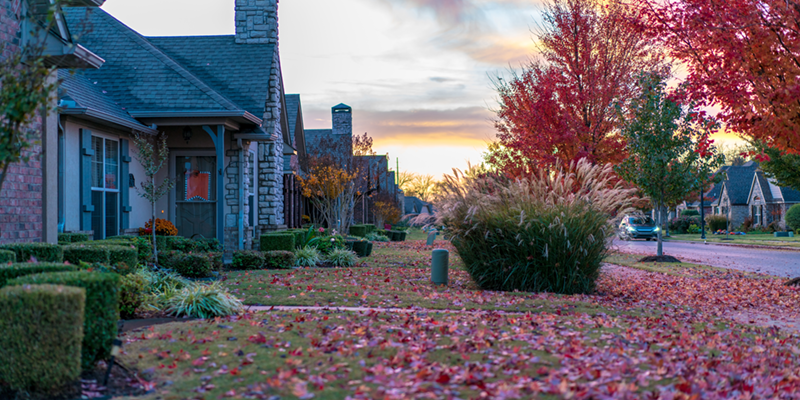
The Autumn Infiltration: Preparing Your Property for Winter Rodent Migration
As autumn temperatures drop, a predictable biological shift occurs right beneath our feet. In the field of urban rodentology, this seasonal transition is known as the winter migration. Driven by a drop in ambient temperature and a sudden scarcity of outdoor food sources, commensal rodents—specifically the Norway rat (Rattus norvegicus), the roof rat (Rattus rattus), and the house mouse (Mus musculus)—begin a highly focused search for stable, heated environments.
For property managers, facility directors, and homeowners, autumn is not just a season of changing leaves. It is the critical operational window to implement defensive exclusion protocols before these adaptive pests establish a winter foothold inside your structure.
Rodents Do Not Hibernate
The Biology of the Autumn Migration
To successfully defend a property, you must first understand the biological drivers of your adversary. Rodents do not hibernate. Instead, their winter survival strategy relies entirely on exploiting human infrastructure.
During the warmer months, urban rodent populations thrive outdoors in burrows, lush landscaping, and refuse areas.
However, the first sustained frost triggers a behavioral shift. Rodents utilize highly developed somatosensory systems—specifically their whiskers or vibrissae—and an acute sense of smell to detect warm air currents and food odors escaping from buildings.
Once a structural vulnerability is identified, a rodent requires remarkably little space to exploit it:
- Mice can navigate openings as small as a dime (1/4 inch or 6mm).
- Rats can compress their skeletons to fit through a gap the size of a quarter (1/2 inch or 12mm).
Don’t Let Rodents Breach Your Building
The High Cost of Structural Infiltration
Allowing rodents to breach your building perimeter introduces severe operational, financial, and health risks.
From a structural standpoint, rodents possess open-rooted incisors that grow continuously throughout their lives. To keep them sharp and manageable, they must gnaw constantly. Inside a building, this behavioral necessity manifests as chewed drywall, ruined insulation, disrupted server cables, and severely compromised electrical wiring—a leading, hidden cause of structural fires.
Biologically, the risks are equally severe. Rodents are vectors for mechanical transmission of pathogens, contaminating surfaces via their fur, paws, urine, and feces. Introducing these contaminants into commercial kitchens, residential spaces, or healthcare facilities presents a zero-tolerance liability.
Alter the Physical Environment
The Expert Approach: Proactive Structural Exclusion
Relying solely on reactive measures like traps and chemical baits after pests are inside is an outdated, uphill battle. True population management relies on structural exclusion—altering the physical environment to deny entry entirely.
To secure your property this autumn, implement this systematic, high-priority exclusion checklist.
1. Seal the Foundation and Utility Penetrations
Examine the baseline of your structure. Check where utilities, plumbing, and HVAC lines penetrate the exterior envelope.
Action: Do not use expanding foam alone; rodents can chew through it within minutes. Instead, pack these voids tightly with stainless steel mesh or copper stuffing rib, then seal them permanently with a high-quality silicone or polyurethane sealant.
2. Upgrade Exterior Doors and Loading Docks
The gap beneath exterior doors is the single most common entry point for urban mice.
Action: Install heavy-duty commercial door sweeps. Ensure the sweep makes flush contact with the threshold across the entire span of the door. For loading docks, inspect the rubber bumper cushions and dock leveler seals for wear, replacing any degraded elements immediately.
3. Clear the Perimeter Buffer Zone
Rodents are prey animals that rely on dense cover to navigate safely without being spotted by predators.
Action: Maintain a clean, sterile perimeter around your foundation. Cut back tree branches at least six feet away from the roofline to deny roof rats an aerial highway. Clear out heavy ground cover, weeds, and thick mulch within two feet of the building foundation, replacing it with a clean gravel or stone border.
4. Fortify Rooflines and Ventilation Hubs
Roof rats are exceptional climbers, utilizing utility lines, rough brickwork, and ivy to reach high-altitude entry points.
Action: Inspect attic vents, exhaust fans, and soffits. Ensure all structural vents are covered with intact, heavy-gauge galvanized hardware cloth (1/4-inch mesh). Replace any warped or damaged ridge caps.
Proactive Pest Control
Secure Your Perimeter Today
The biological reality of the winter rodent migration means that structural pressure will only increase over the coming weeks. The choices made during this brief autumn window dictate whether a property remains secure or becomes a winter harborage.
By shifting your strategy from reactive pest control to proactive, scientifically grounded structural exclusion, you protect your infrastructure, ensure regulatory compliance, and preserve the safety of your indoor environment. Take the time to audit your property envelope this week—before the temperature dictates your pest pressure.